
A History
Joseph Feldman, Hyman Lazarus, and Leon Lazarus, three citizens and businessmen of Bayonne, had a conversation in the year 1911 about how to create a synagogue that would cater to more modern Jews. Their thought was to have services which were non-orthodox and which the children could understand. After much deliberation, they formed the Temple Emanu-El Association of Bayonne on April 25, 1911. They drew up the paper of incorporation. By laws followed and adopted in June 1911. The Conservative movement had just begun about twenty years prior to 1911 but its rules were not known to these founders. They decided that Temple Emanu-El would not be Reformed.
Subsequent meetings took place in many venues and there was no building as yet. Everything necessary for the first High Holy Day services was rented or borrowed. At the same time, plans for a building were under consideration. The lot, where the synagogue stands today, was considered. Because there were no funds available, a building committee was formed.
While plans were being made, the founders had to have space. They used The Opera House Ballroom for fundraising balls and High Holy Day services of 1912.
Rabbi Aaron A. Roberson was hired as a rabbi. Harold Herman was the first boy to be Bar Mitzvah. The first wedding, of Hannah Goodman and Dave Sussman, took place in 1914
A title search was done and a lot on 29th Street and the Boulevard was purchased. The cornerstone was laid on July 20, 1913. The building was paid for by donations and a loan from First National Bank of Bayonne. Many things had to be bought in order to make this possible. In order to raise more money, seats were sold.
The synagogue became Conservative and men and women could sit together.
The first spiritual leader of Temple Emanu-El was Rabbi M. Berman, installed I n 1914. The first Hebrew School was established in 1914. By 1930, there were 161 children in the Hebrew School.
In the beginning, the temple had financial problems, not being able to pay for the benches and thus getting a summons. With the help of donations from people like Morris Adler, Henry Witty and Simon Elbaum, the money was raised.
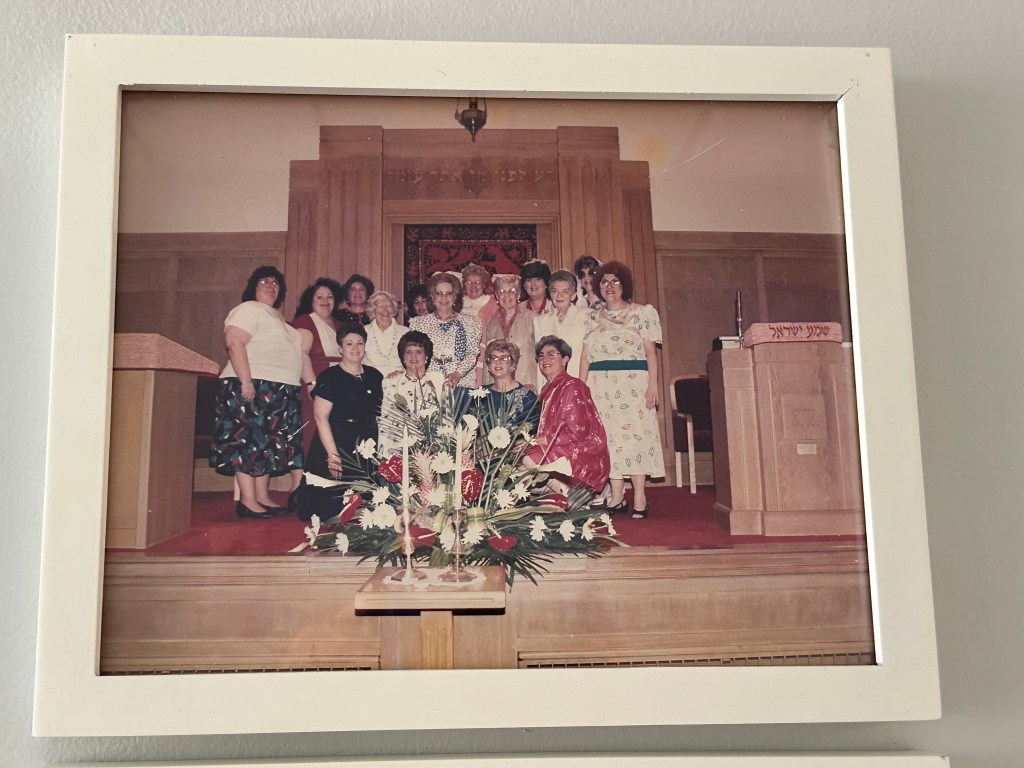
As the years passed, the building began to be used for activities helping many people, young and old. Women became very prominent in the 1920’s with the Ladies’ Auxiliary. They brought in a choir, which became too expensive and a volunteer choir was created. Louis Adler became president in 1926. Rabbi Plotkin became the spiritual leader two years prior.
During the depression (1930’s) Financial problems abounded. The temple was almost disbanded until the bank increased the mortgage. Members did not take the debt seriously and things got worse. They considered selling cemetery plots. The selling of plots began to be a help for survival.
The Sisterhood paid for Hebrew School. There was so much commotion that rabbis and cantors came and left.
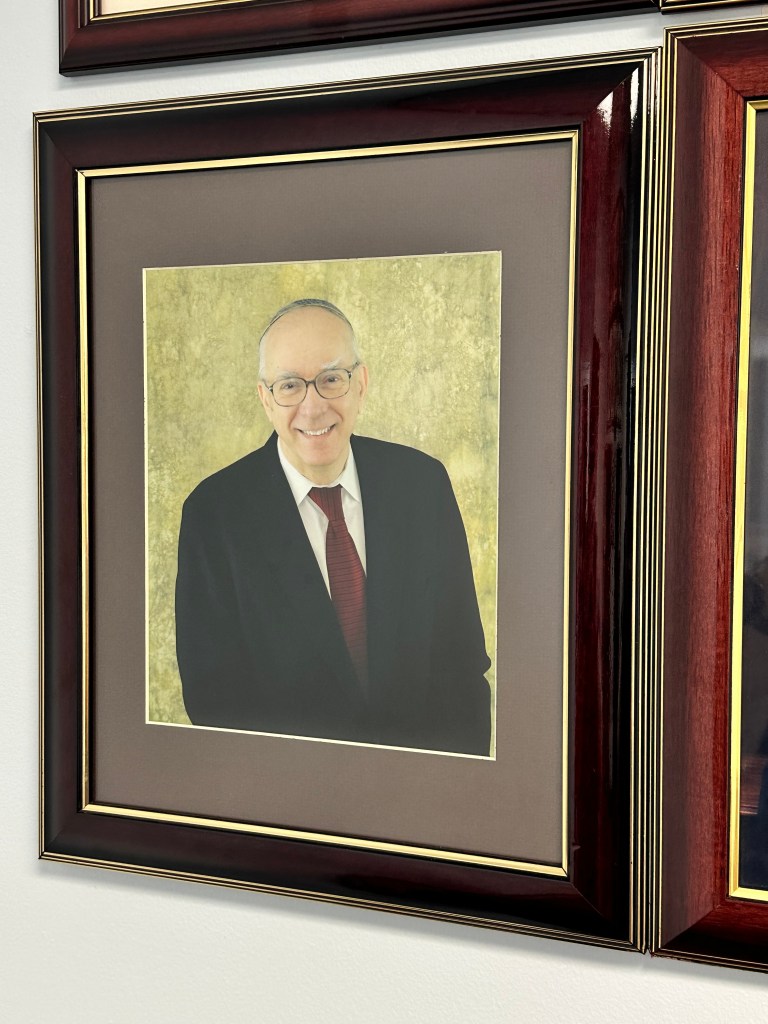
In about 1935, Samuel Shapiro volunteered to become the cantor. Rabbi Samuel Perlman was hired. Positive things began to happen. The Hebrew School grew to 65 in Hebrew and 116 in Sunday School. 1936 High Holy Days became more successful. Sisterhood helped with modernizing the kitchen and other repairs. A bequest from Henry M. Riess helped the temple survive. Rabbi Abraham Feinerman was hired as the new rabbi on August 12, 1941 and inducted on January 11, 1942.
As the years passed, there have been many changes and additions to the synagogue. In its hay day, the pews were filled to capacity during the High Holy Days.
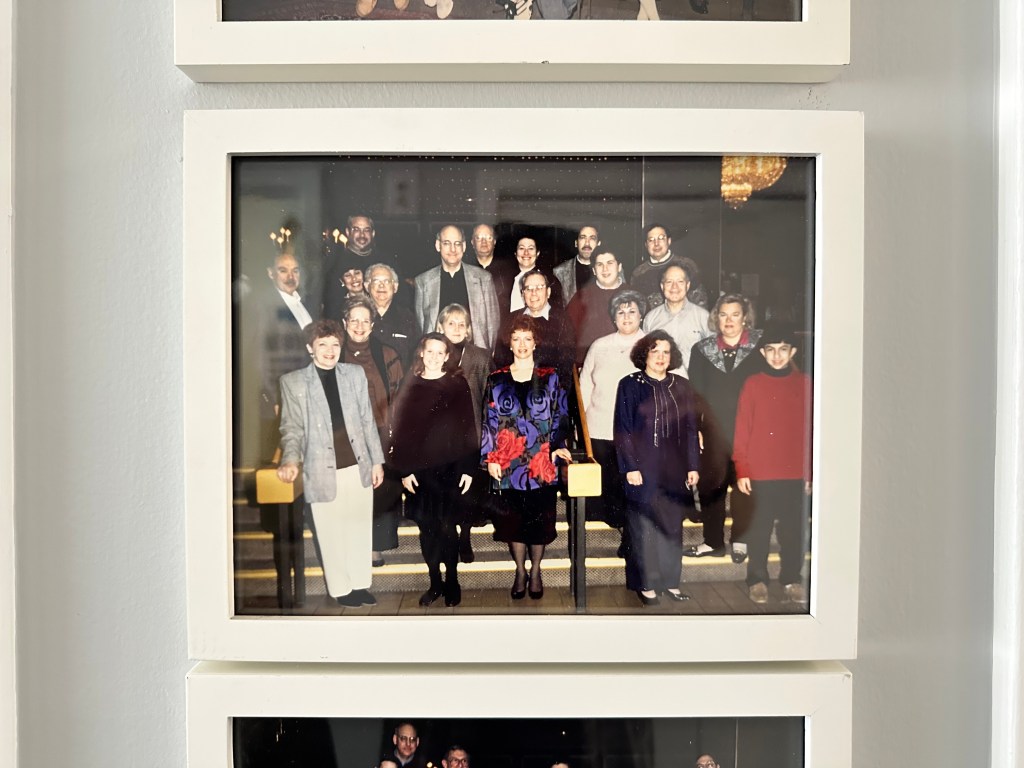
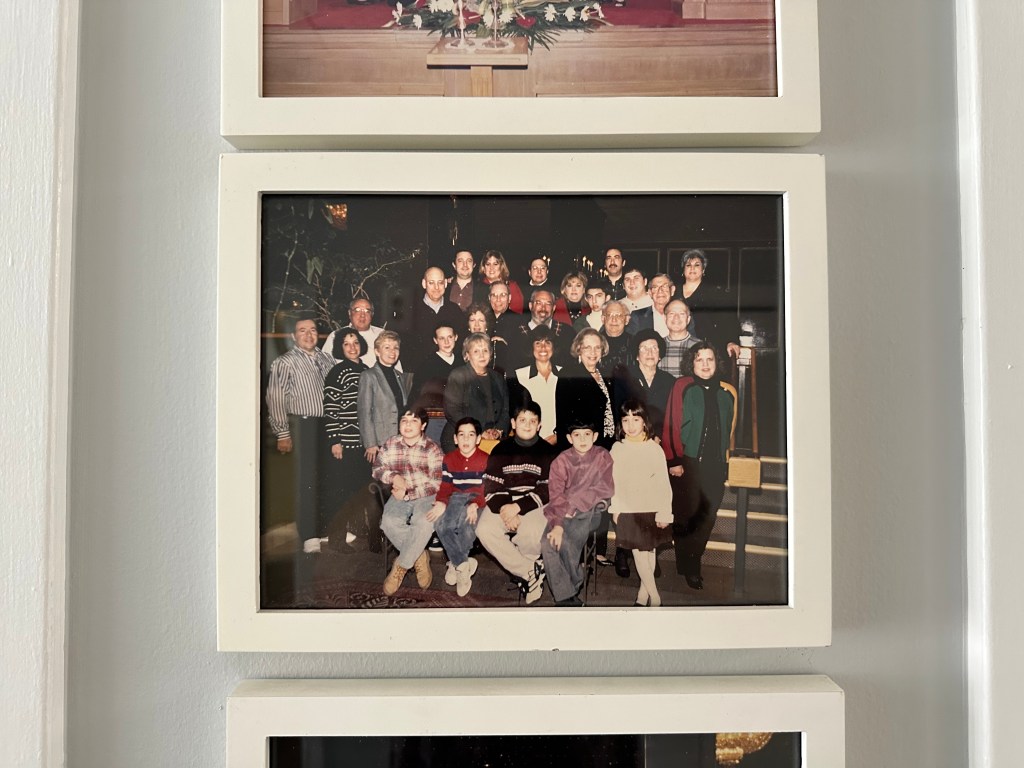
As young people began to move out of Bayonne, the congregation suffered the loss of more members. It became very difficult to support and sustain the building. This decline was a gradual process until in 2021, Temple Emanu-El had to be sold. The congregation moved to a space in the Temple Beth Am building, in which it operates today. The goal is to attract people and build the congregation again.


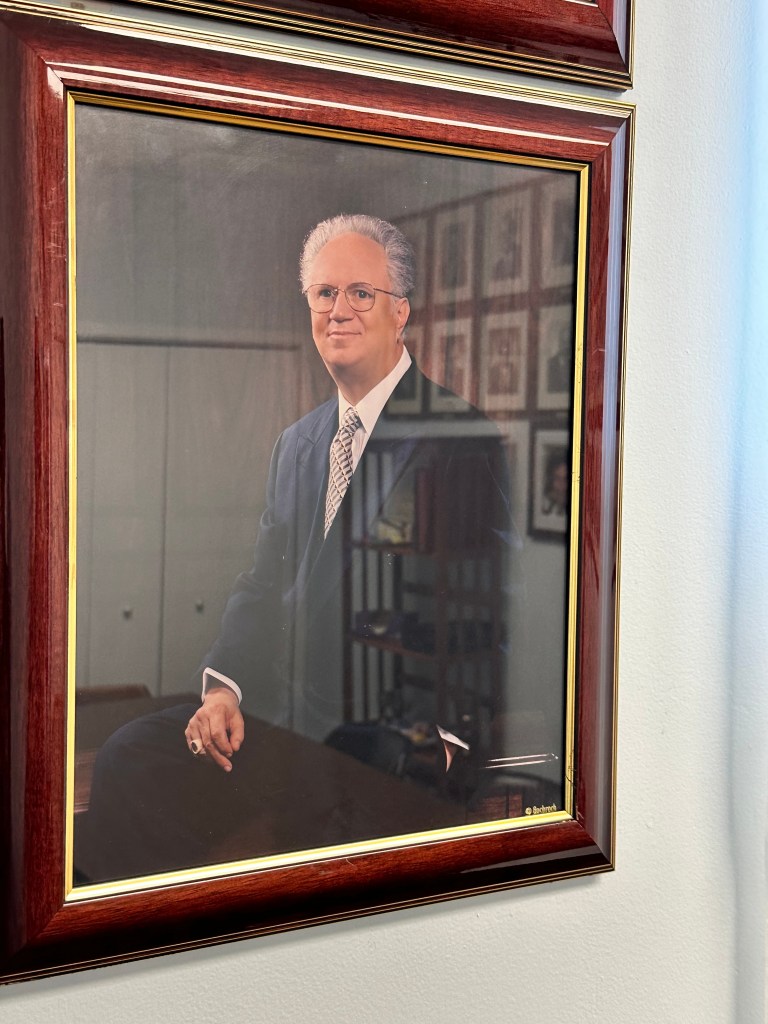
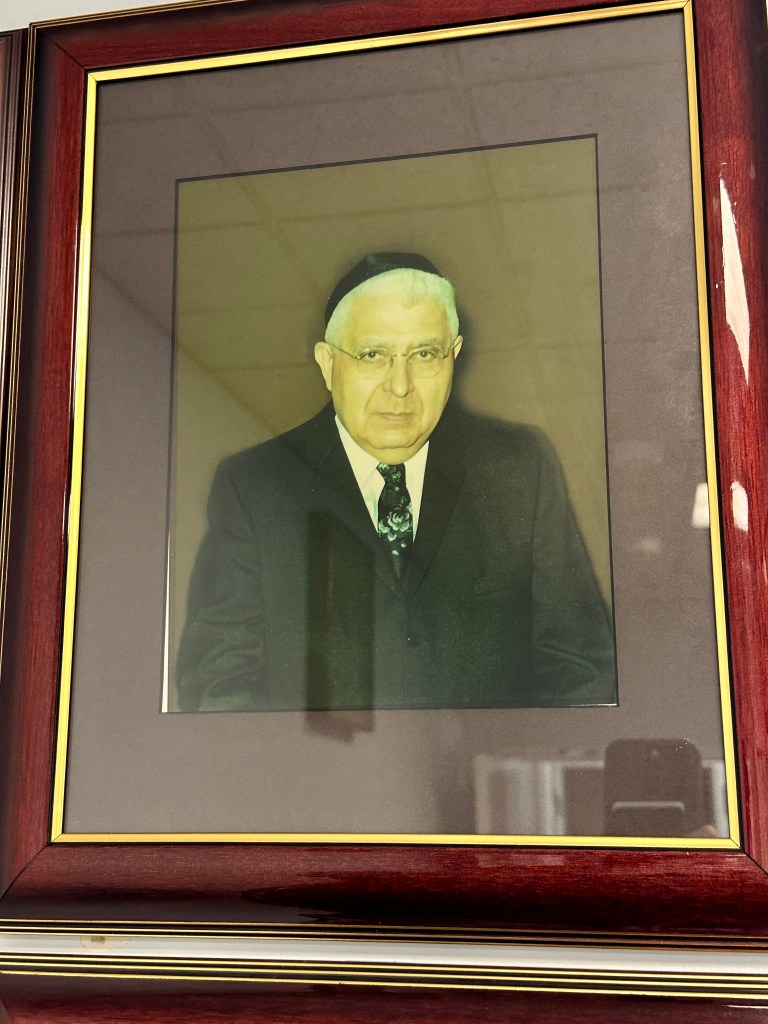
 Temple Emanu-El of Bayonne, NJ